01
Why Older Whisky Can Command Higher Prices
Discover how maturation, scarcity and demand influence a cask’s value, and why investors buy whisky years before it reaches the bottle.

Explore the investment potential of Scotland’s most celebrated spirit. Discover how cask ownership works, what drives its value and what makes Scotch whisky a compelling alternative investment.
As seen on


The live training
Discover what whisky could offer your investment portfolio, with a closer look at historical performance, the economics of maturation and the opportunity to own a cask yourself.
Discover how maturation, scarcity and demand influence a cask’s value, and why investors buy whisky years before it reaches the bottle.
Not every cask makes a compelling investment. Learn how we assess distillery reputation, spirit quality, cask type and purchase price when selecting stock for our clients.
Explore historical sales and auction examples, including a 1990 Caol Ila cask that sold for £50,500. Understand what these results reveal, and what they can’t tell you about future returns.
Understand how a delivery order and a private warehouse account establish ownership of your cask. We’ll also explain bonded storage, insurance and the investment risks to consider before committing.
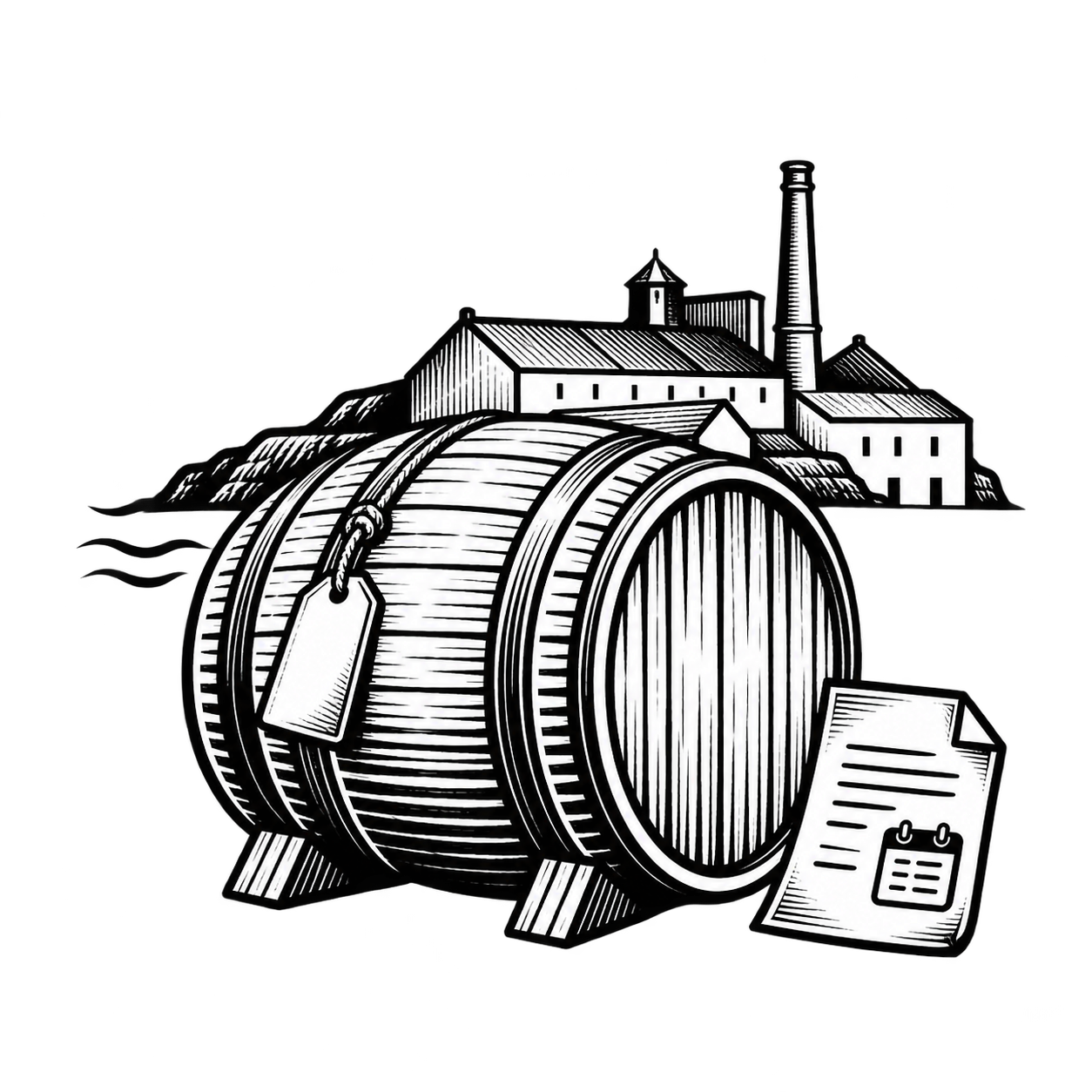
Take a closer look at the Islay distillery behind our latest allocation. Discover why we selected these casks, what the £4,850 purchase price includes and the proposed holding period.
Explore the potential buyers, from private investors to independent bottlers, and the different routes to market. Learn how timing, pricing and demand influence your eventual exit.
Webinar starts in
Alternative investments
Savings accounts. Shares. Funds. Property. There’s no shortage of places to invest your money.
The question is what each offers in return for the capital, time and responsibility involved.
A savings account pays interest. Shares offer exposure to business growth. A rental property can provide income and potential capital appreciation, alongside the costs of owning and managing it.
Whisky casks introduce a different investment model: purchasing spirit while it’s young and holding it as it matures into something bottlers and whisky buyers may pay more to acquire.
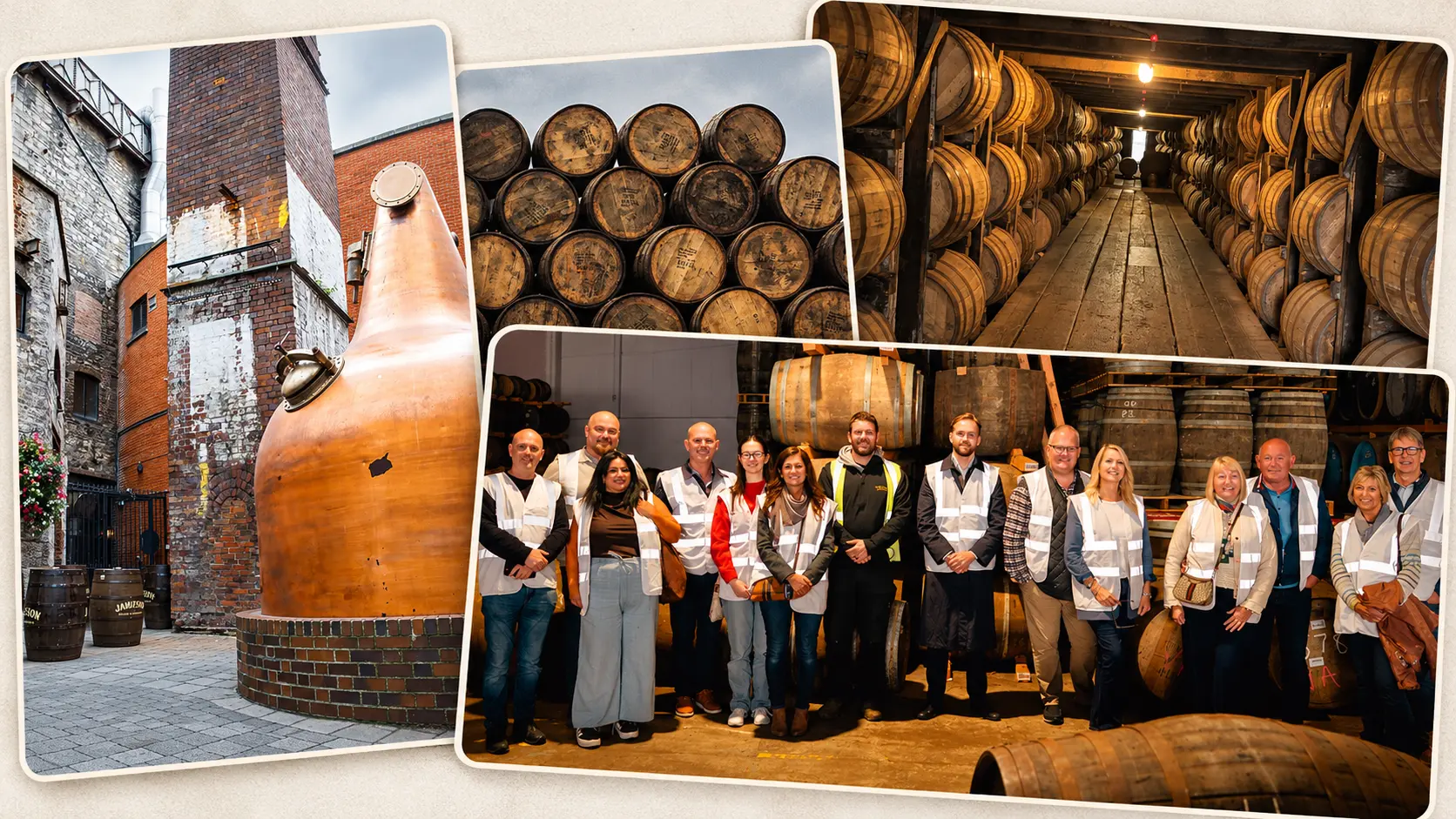
That combination of physical ownership, maturation and commercial demand makes the investment worth examining alongside the options you already know.
Side by side

Savings accounts

Shares & funds

Buy-to-let property
Whisky casks
With whisky, you’re investing in a product that changes during ownership. Time in the cask develops the spirit, while bottling removes other mature stock from the market.
That can create an opportunity, but age alone doesn’t make every cask a good investment. The stock you select, the price you pay and the market when you sell all matter.
Whisky casks provide no regular income and can take time to sell. The market is unregulated in the UK, and values can fall as well as rise.
Your host

I’m Oliver Courts, Managing Director of London Cask Traders.
I’ve spent around seven years working in the whisky cask investment market, helping private investors purchase their first cask through to building portfolios worth over £2 million.
Since establishing London Cask Traders in 2021, we’ve grown to serve more than 2,000 clients worldwide, with over £50 million in whisky casks under management.
I’m also a whisky enthusiast. Visiting distilleries, tasting the spirit and taking clients to see their own casks are some of the parts of this business I enjoy most.
But I know that enjoying whisky and deciding to invest in it are two different things.
In this webinar, I’ll explain how the market works, what I look for when selecting casks and how ownership and resale work in practice. I’ll share examples, discuss the risks and answer your questions live.
You don’t need any previous knowledge of whisky. My aim is to give you a clear understanding of the investment so you can decide whether it deserves a place in your portfolio.
Oliver Courts
Free Live Investor Webinar • 18th October – 7pm UK time